
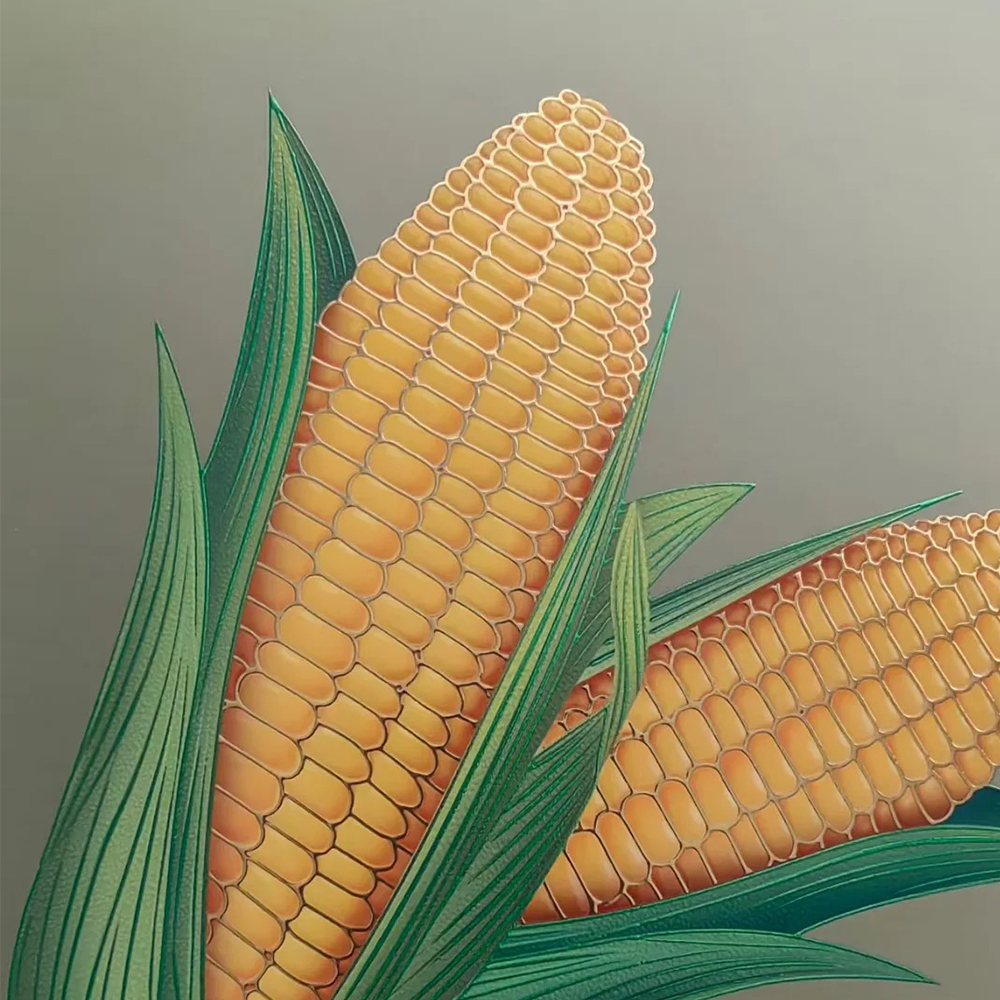
Both hot foil stamping and cold foil are popular finishing techniques used to create metallic effects in premium packaging. While they may appear similar, each process offers distinct advantages depending on design goals and production needs.
Hot Foil Stamping
Hot foil stamping uses a heated metal die to transfer metallic foil onto paper or packaging surfaces through heat and pressure. This method creates a bold, tactile, and highly refined metallic finish.
Key Features:
- Requires heat and pressure
- Produces rich, luxurious metallic shine
- Sharp edges with strong tactile depth
- Ideal for logos, text, and focal design elements
Common Uses:
Hot foil stamping is commonly used in luxury gift boxes, jewelry packaging, cosmetic boxes, and high-end brand packaging where premium presentation is essential.
Cold Foil
Cold foil is a non-heat foil application process that uses UV-curable adhesive to bond metallic foil to the surface during printing. It allows for greater design flexibility and faster production.
Key Features:
- No heat required
- Suitable for large areas and intricate patterns
- Supports gradients and fine details
- Easily combined with full-color printing
Common Uses:
Cold foil is often used for decorative backgrounds, fashion-forward packaging, and beauty or consumer product packaging that requires modern visual impact.
How to Choose the Right Foil Technique
If your packaging design focuses on luxury, texture, and brand emphasis, hot foil stamping is an excellent choice. If you need large metallic areas, complex designs, or higher production efficiency, cold foil offers greater flexibility.
At pandapackage, we help brands select the most suitable finishing techniques based on design, material, and brand positioning—ensuring packaging that stands out both visually and professionally.