
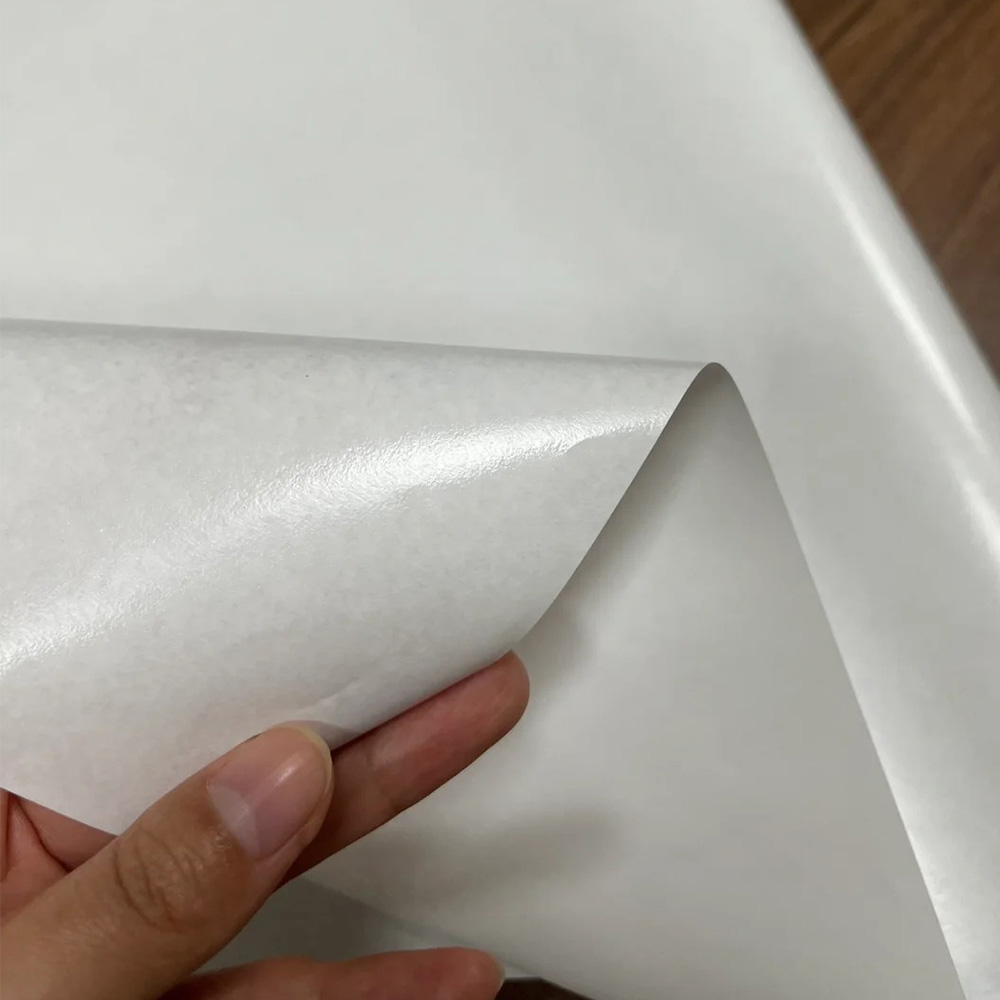
Oil-resistant and water-resistant coatings are essential functional technologies used widely in modern food packaging. They are commonly applied to paper-based materials such as takeaway containers, baking paper, coffee cups, and food wraps. Their primary purpose is to create a protective barrier on the surface of the packaging, preventing oils and moisture from penetrating the material.
To begin with, oil-resistant coatings block the grease released from foods. Many items—such as fried chicken, pizza, or pastries—contain significant amounts of oil. Without an oil barrier, the oil can soak into the packaging, causing the material to weaken, become soggy, or even tear. An effective oil-resistant coating helps maintain the packaging’s strength and keeps its appearance clean and tidy.
Similarly, water-resistant coatings play an equally important role. They prevent liquid from seeping into the packaging, ensuring that it does not deform or lose rigidity when exposed to moisture. For products such as soups, beverages, or moist baked goods, water-resistant coatings ensure that the packaging remains structurally stable, preventing leakage or collapse.
Additionally, these coatings help prolong food freshness. By reducing moisture transfer and oil migration, they preserve the food’s original texture—for example, keeping baked goods crisp and preventing humidity from affecting flavor. They also minimize external contamination from moisture, dirt, or microorganisms, thereby improving food safety.
In summary, oil-resistant and water-resistant coatings in food packaging are not merely surface treatments; they are crucial elements that enhance food quality, increase packaging durability, and improve the overall consumer experience.