
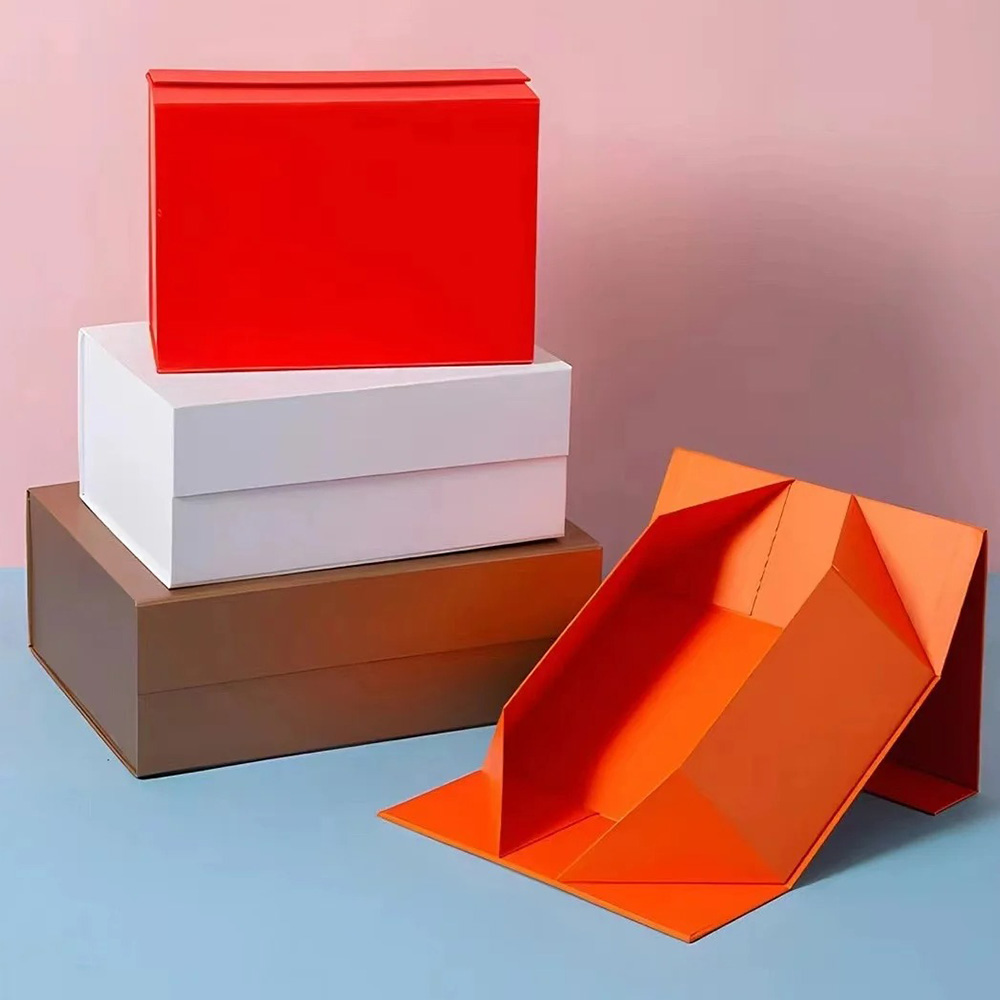
A Flip-Top Carton is a folding carton structure made from paperboard, featuring a hinged lid that allows for easy opening and repeated closure. The lid is connected to the main body through a crease line, combining convenience, functionality, and elegant presentation. This design is widely used in food, personal care, and gift packaging.
Structure & Common Types
Front Flip Lid: The front panel folds down with a tuck-in flap or magnetic closure.
Back-Hinged Lid: The lid is hinged along the back panel, lifting upward for a clean front display.
Shoulder-Lid Style: The lid is extended for a “book-style” appearance with a raised shoulder.
Locking Options:
Tuck-in lock: Economical and widely used for lightweight to medium loads.
Lock-tab / Crash-lock: Provides better closure strength and tamper resistance.
Magnetic / Hidden lock: Enhances premium look and user experience.
Glue dots / Velcro: Suitable for promotional or reinforced packaging.
Material Options (Reference)
GD / WLC (Duplex Board with Grey Back): Cost-effective for mass-market retail.
FBB / SBS (Solid Bleached Board): Excellent stiffness and cleanliness for premium products.
Kraft or Specialty Paper: Emphasizes texture and eco-friendly appeal.
Typical GSM: 250–450 gsm, optimized based on box size and load.
Lamination / Mounting: For heavier items or large formats, greyboard or micro-flute lamination can be applied for reinforcement.
Printing & Finishing
Printing: CMYK + spot colors, suitable for barcodes and fine text; UV or flexo printing available.
Surface Finishes: Aqueous coating, UV coating, film lamination (gloss/matte/scratch-resistant), foil stamping, embossing/debossing, spot UV, texture or linen effects.
Notes: For large solid color areas, apply primer or coating to prevent scuffing; optimize dot gain and crease pressure for dark backgrounds.
Structural Design Highlights
Opening & Closing Feel: The hinge crease should be designed with proper line depth and ratio for smooth repeated folding.
Lock Stability: Match tuck length and curve with paper thickness; control magnet polarity and placement within ±0.5 mm.
Load & Stackability: Design side flaps and base locks according to product weight; add internal support if needed.
Display Window: Optional PET/PLA window for product visibility—ensure recycling guidance is included.
Tamper Resistance: Add tear strips, glue points, or sealing labels if required.
Typical Applications
Food & Beverages: Cookies, tea, snacks (verify food-contact compliance for direct packaging).
Beauty & Personal Care: Lipsticks, perfumes, skincare gift boxes—enhances unboxing experience.
Electronics & Accessories: Earphones, cables, small gadgets.
Gifts & Promotions: Seasonal sets, display packs, membership or event gift boxes.
Tolerances & Technical References
Cutting tolerance: ±0.5 mm (±0.3–0.4 mm recommended for magnetic or premium packaging).
Creasing: Adjust rule/crease ratio based on paper thickness and grain direction (MD/CD).
Drop test: For heavier contents, simulate drop/transport tests (ASTM/ISTA standard) to ensure lock integrity.
Sampling & Production Guidelines
Sampling:
Structural mock-up (white sample)
Printed/finished sample (with solid areas, foil, lamination, and open/close durability test)
MOQ: Typically cost-effective from 500 pcs upward; special finishes may require higher quantity.
Lead Time: Sample 3–7 days; mass production 7–15 days (excluding holidays).
QC Focus: Color deviation (ΔE), film flatness, magnet alignment, crease durability, and locking strength.
Sustainability & Compliance
Material: FSC-certified and recycled-content options available. For direct food contact, confirm compliance with EU/US/local migration and odor standards.
Eco Finishing: Water-based coatings, solvent-free adhesives, recyclable or unlaminated designs with clear recycling marks.
Storage: Maintain humidity 45–55% RH to prevent warping or deformation.