
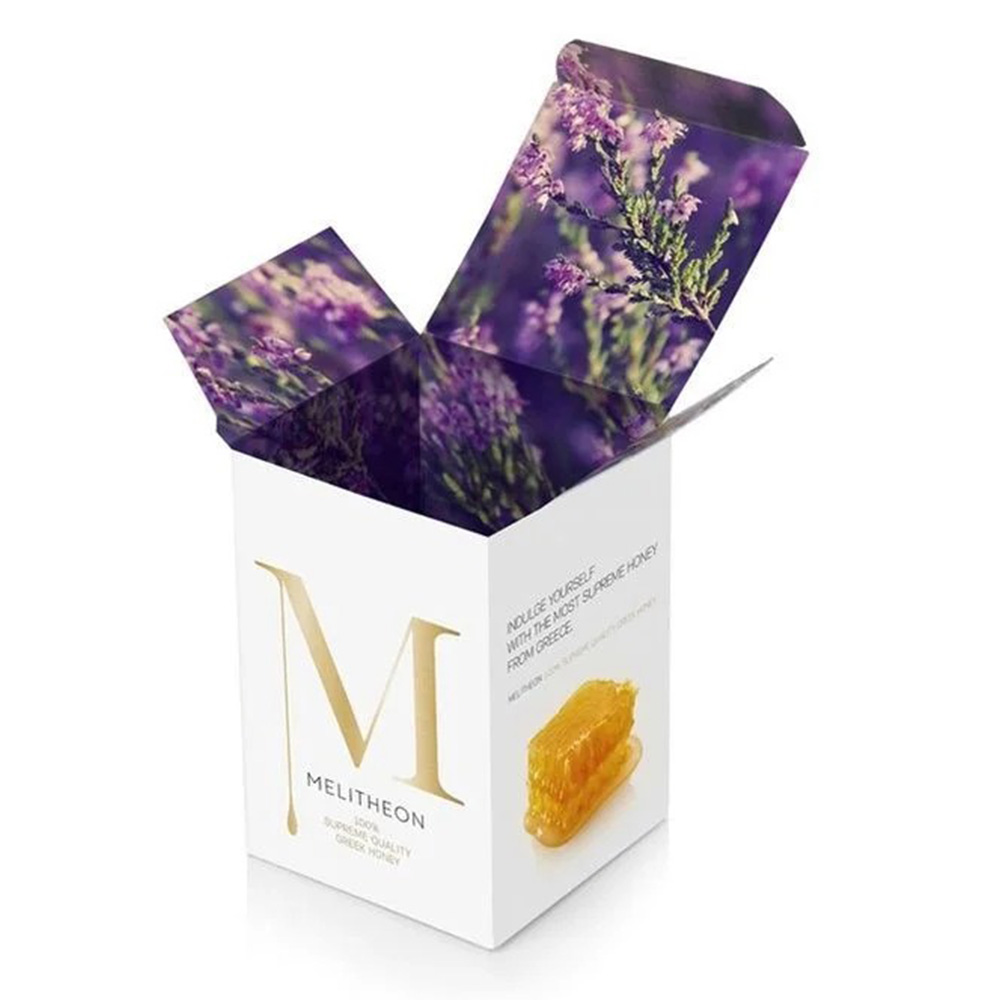
A tuck-end box is a common folding carton shipped flat and quickly erected; top and bottom flaps close with a tuck tab. It’s widely used for beauty, food, personal care, and small electronics.
Types
STE — Straight Tuck End: Top and bottom tuck in the same direction (both to the back or both to the front). Delivers a cleaner display panel; ideal for windows and premium front graphics.
RTE — Reverse Tuck End: Top and bottom tuck in opposite directions. Material-efficient, easy to assemble, and cost-effective for general use.
Common add-ons: dust flaps, friction/slit locks, euro hooks/hanger tabs.
Key Features
Side glue (glue flap) for fast automatic gluing and hand setup.
Ships flat → low storage and freight volume.
Moderate load capacity; for heavier items consider crash-lock bottom, telescoping (lid–base), or drawer/ridgid formats.
Materials (typical)
SBS / Ivory Board: 200–400 gsm; very smooth, premium print.
FBB (Cartonboard): lighter, bulkier feel; excellent stiffness-to-cost.
Kraft & specialty papers: natural texture, eco look.
Select GSM/caliper and grain direction (MD/CD) per size and weight.
Printing & Finishes
CMYK + spot colors; inside/outside print available.
Finishes: lamination (gloss/matte/anti-scuff), AQ/UV varnish, foil, spot UV, emboss/deboss, textures.
Tip: score/crease properly (and mind film thickness) to minimize edge cracking on folds.
Design & Dieline Basics
Dimension convention: L × W × H (internal)
L: opening long side
W: opening short side
H: depth (from opening to base)
Dust flaps help prevent sifting and improve structure.
Windows/PET lining: reinforce knife edges and fold lines; consider plastic-free windows if targeting recyclability.
Lock choice: slit-lock for repeated opening; friction lock for faster packing.
Typical Applications
Beauty/personal care: lipstick, mascara, serum vials
Food retail: tea, snacks, stick packs
Home care: toothpaste, small bottles
3C accessories: cables, earbuds, chargers
Comparisons
Tuck-End vs. Crash-Lock: Tuck-end is more economical; crash-lock gives stronger bottom and faster line speeds.
STE vs. RTE: STE optimizes the display panel (great for windows); RTE improves board yield and lowers cost.
Sourcing & Workflow (typical)
MOQ: ~100–500 pcs; 500+ improves unit cost.
Sampling: start with a white mockup (structure/fit), then digital/press proof for color and finishes.
Artwork: place graphics on the supplier dieline (AI/PDF), 300 dpi images; separate layers for spot colors/foil/emboss; specify internal vs. external size and opening direction.