
PandaPackage guide: A PandaPackage field guide to packaging structure: define the product journey, choose inserts by function, prototype clearances and give suppliers a brief they can actually build.
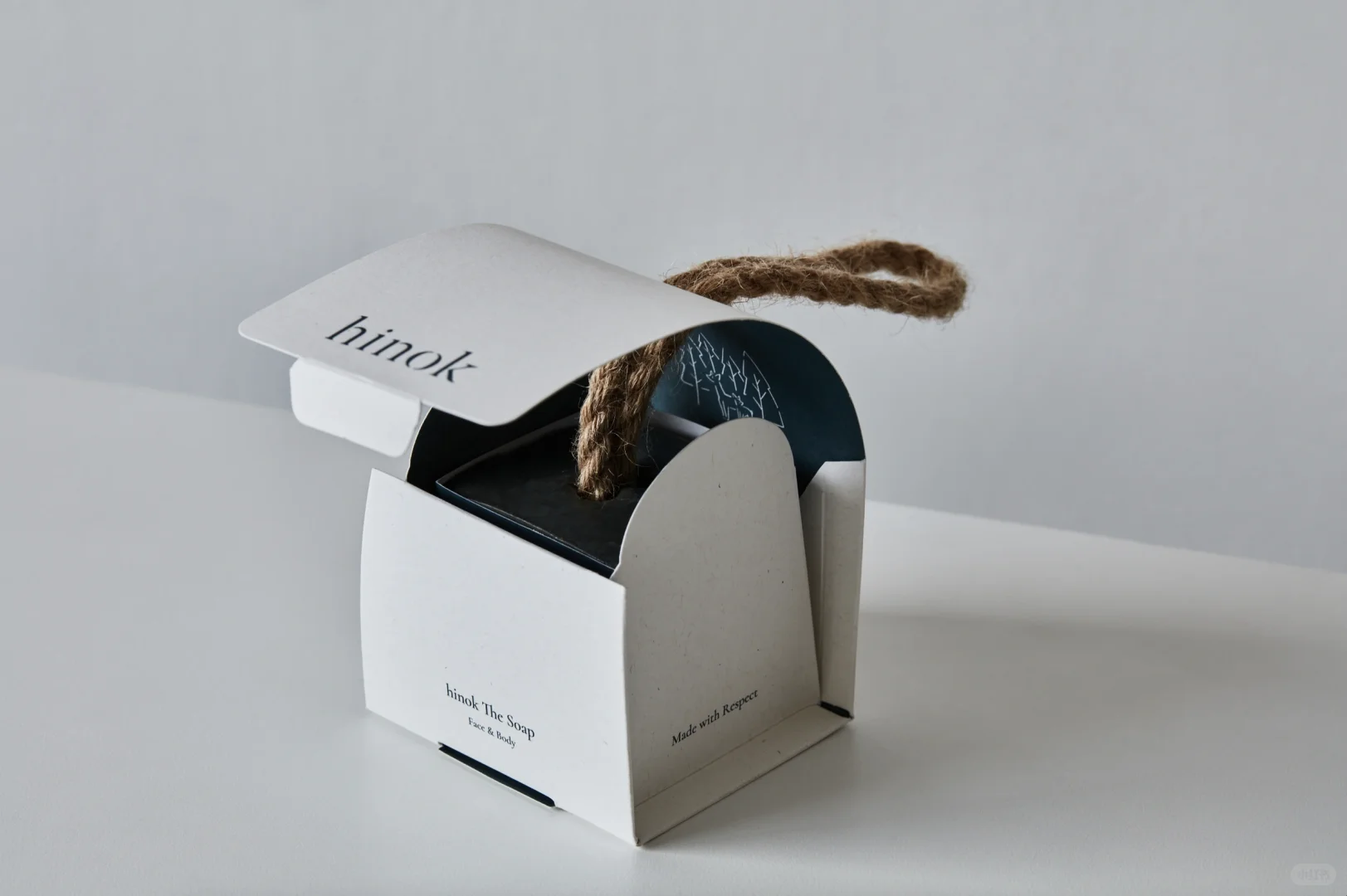
Quick Answer
Define the product journey before choosing an insert material. Rank protection, restraint, removal, presentation, assembly and recovery; then test clearances in a white sample, repeat with production-like material, and finish with a packed distribution sample.
A first packaging project often begins in the wrong order: pick a mood, make a polished render, then ask a supplier whether it can be produced. A more reliable sequence begins with the product journey—packing, stacking, shipping, opening and disposal—and lets that journey determine the structure.
Many packaging teams start by comparing insert materials, but our work with product packaging shows a deeper problem. Buyers ask whether a design can be customised, whether small quantities are possible, and which construction will work for their product. Knowing the names of EVA, pulp moulding or corrugated board does not answer those questions by itself.
An insert is not simply a piece of material inside a box. It is the interface between transport risk, factory assembly, the unboxing sequence, cost and recovery.
1. Packaging often fails from the inside out
The outer box attracts attention; the insert fulfils the promise. A bottle that rotates, two products that knock together, a delicate surface scuffed in transit, a lid that will not close, or a product that cannot be removed without shaking the box—none of these failures can be repaired by changing the artwork.
The first design document should therefore be a route map. How is the product loaded at the factory? In which orientation is the case stacked? What shocks and compression might occur? What does the customer see first, and where can a finger actually reach? Every action produces a structural requirement.
PROTECTno breakageRESTRAINno movementREMOVEfinger accessPRESENTclear hierarchyStart with survival, then design the reveal.
PandaPackage diagram. An insert is a sequence of jobs, not a ranking of materials.

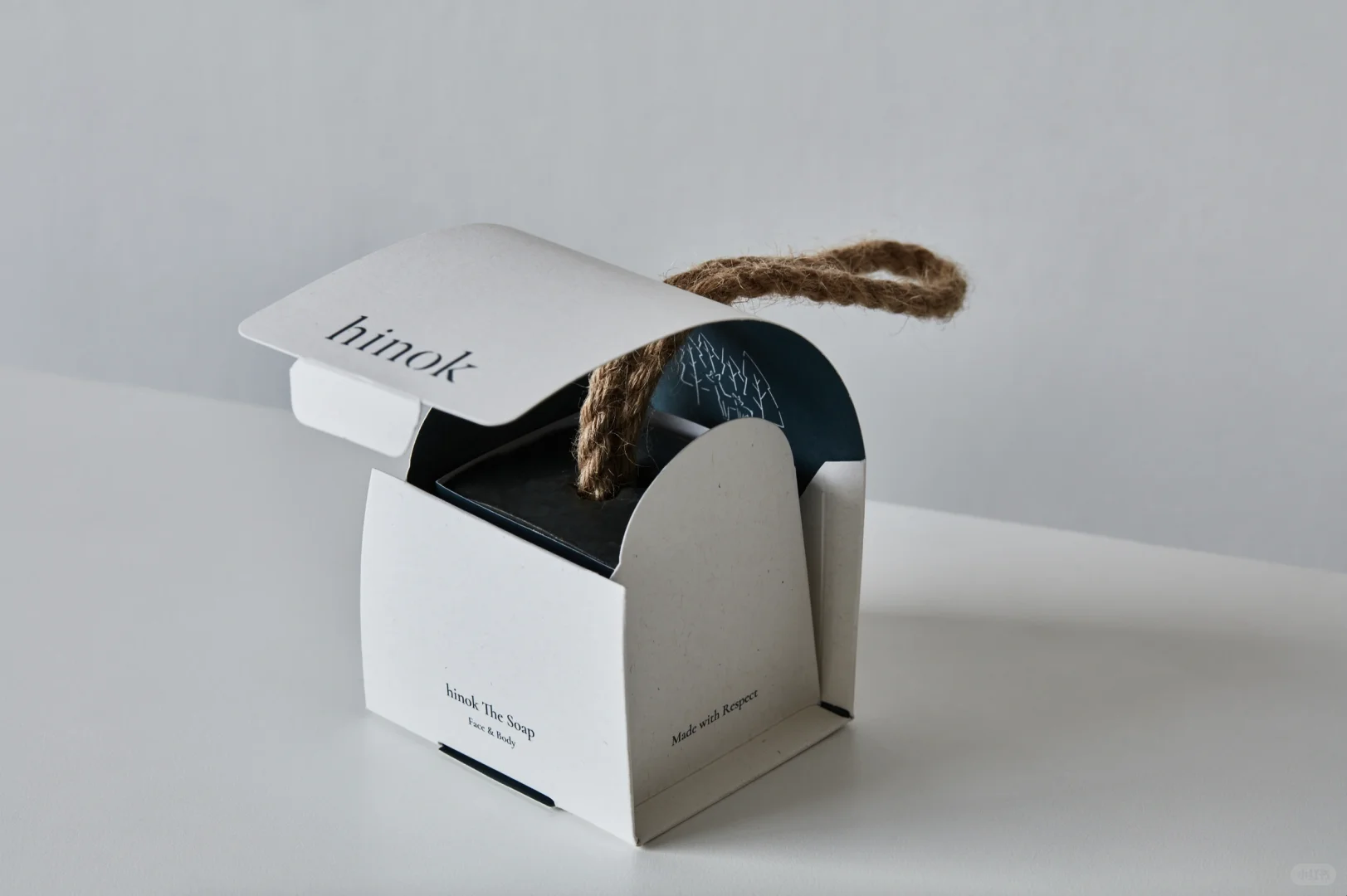
2. Write the jobs before naming a material
Once those jobs are ranked, material choice becomes a trade-off rather than a taste test. A fragile glass bottle may prioritise restraint and surface protection. A light fast-moving product may prioritise assembly speed and cost. A nature-led brand may want a paper structure to carry both protection and visual meaning.


3. Choose material families, not a prestige ranking
| Material family | Useful when | What to test | Common risk |
|---|---|---|---|
| Paperboard or corrugated | Folded restraint, low mass, printed communication | Board direction, crease, humidity, compression and assembly | Assuming paper alone guarantees strength or easy recovery |
| Moulded fibre | Repeated geometry, nesting and a paper-based presentation | Wall thickness, fit, dust, moisture and tooling variation | Calling it compostable without product-specific support |
| Foam | Defined cavities and predictable cushioning | Density, rebound, odour, colour transfer and routed tolerance | Using a premium surface as a substitute for recovery planning |
| Thermoformed tray | Fast assembly and regular geometry at suitable volume | Tooling, nesting, flange, material ID and pack-out | Committing to tooling before volume is stable |
| Decorative fill | Soft presentation layered over a separate restraint | Migration, dust, repeatability and labour | Confusing theatre with transport protection |
Paper structures: expressive, foldable and geometry-dependent
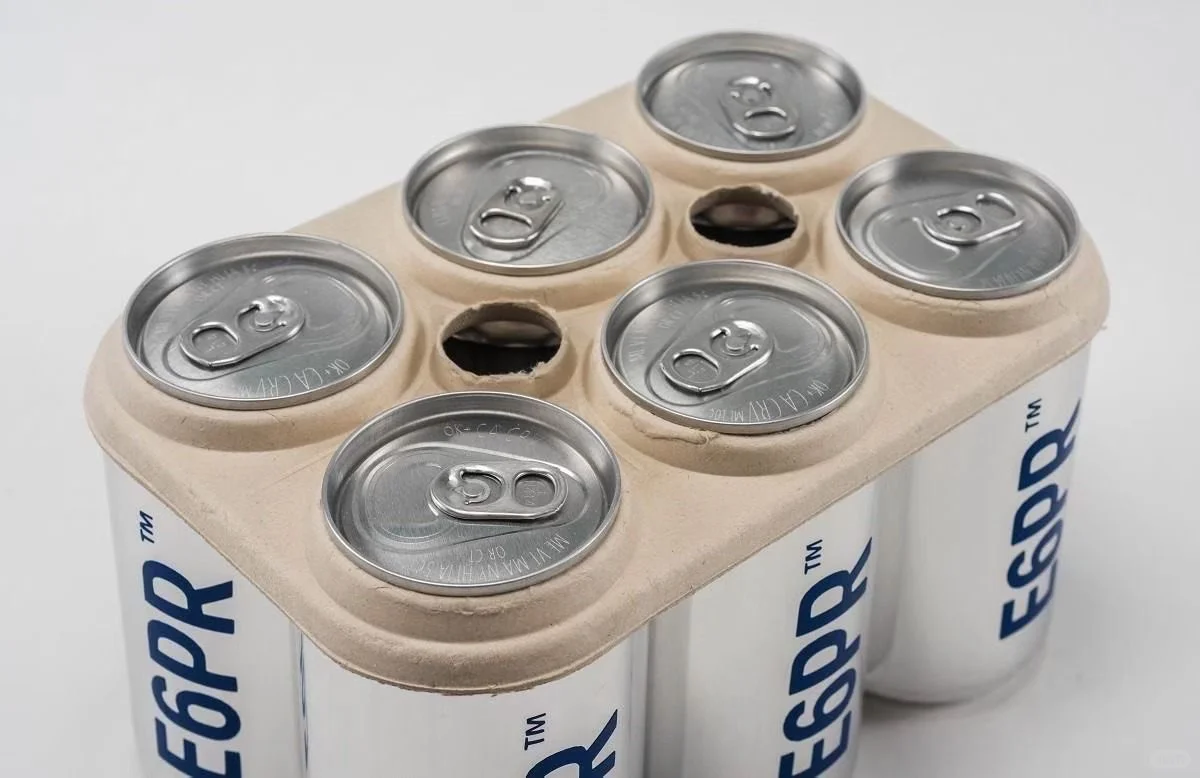
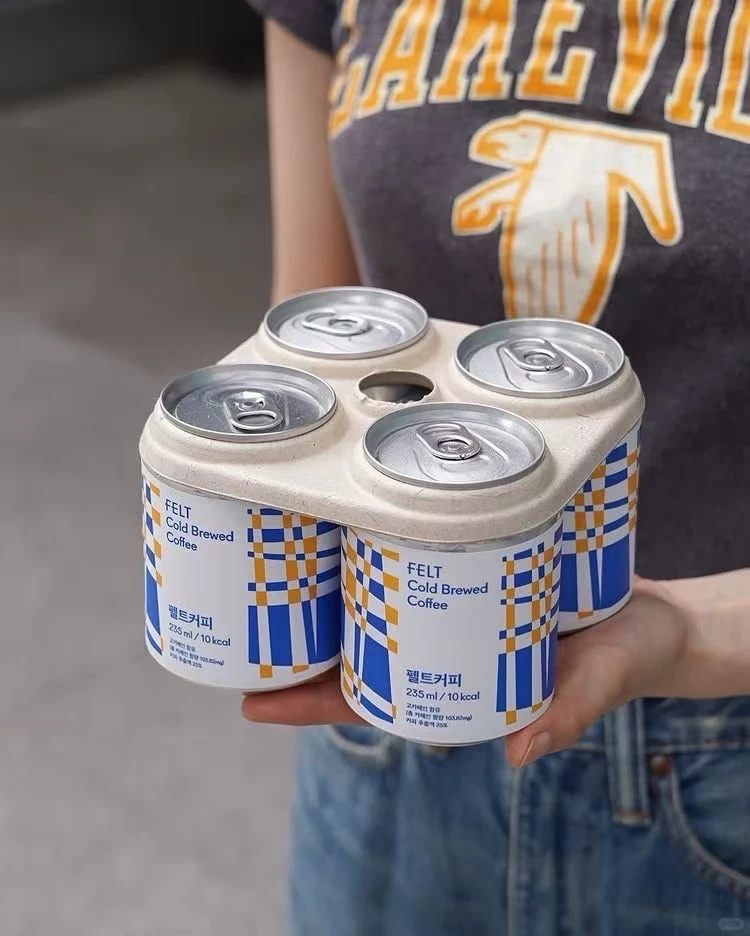
Cartonboard, corrugated board, honeycomb and moulded fibre can gain strength from folds, ribs, wall thickness and geometry. They suit projects seeking a clear paper-based story, low mass or a familiar recovery route. But paper is not automatically strong enough, compostable or recyclable in every construction. Coatings, adhesives, wet conditions and local collection systems still matter.
Foam families: predictable cushioning with difficult end-of-use questions
EVA, EPE and cross-linked polyethylene are often presented as levels of luxury. That is the wrong comparison. Ask whether density and thickness match the shock risk, whether rebound pushes the product out, whether the surface scuffs or transfers colour, whether routed cavities can hold production tolerances, and whether a realistic recovery route exists in the target market.
Thermoformed and moulded parts: efficient when volume supports tooling
Thermoformed trays can suit high-throughput assembly and regular product geometry. Custom moulded solutions can manage complex contours and repeatability. Their value depends on order quantity, tool amortisation, nesting efficiency, material identification and the complete shipping case—not simply on a low unit quote.
Decorative fills and textile linings: theatre is not restraint
Paper shred, raffia, silk-like cloth and loose fibres may create warmth or ceremony. They rarely control movement as predictably as a designed restraint. If they are used, the package needs a separate answer for transport protection and a plan for clean, repeatable assembly.
4. Dimensions are not just length, width and height
The maximum product envelope is only the beginning. A real pack includes label thickness, cap projections, fragile features, batch variation, surface films, material compression, assembly direction and the space required by a human finger. Omit one of these and the design that fits perfectly on screen may be impossible on the line.
OUTER BOXINSERTPRODUCTassembly clearancefinger reliefIt must go in, come out, stay quiet and still let the lid close.
PandaPackage diagram. Product dimensions are only the beginning; clearance, rebound and retrieval space belong in the prototype.
Record at least four sets of information: the maximum product envelope; areas that cannot carry load; surfaces that may safely contact the insert; and the clearance required for retrieval. For multi-product packs, add the collision paths between items and confirm whether the closed lid presses on any component.
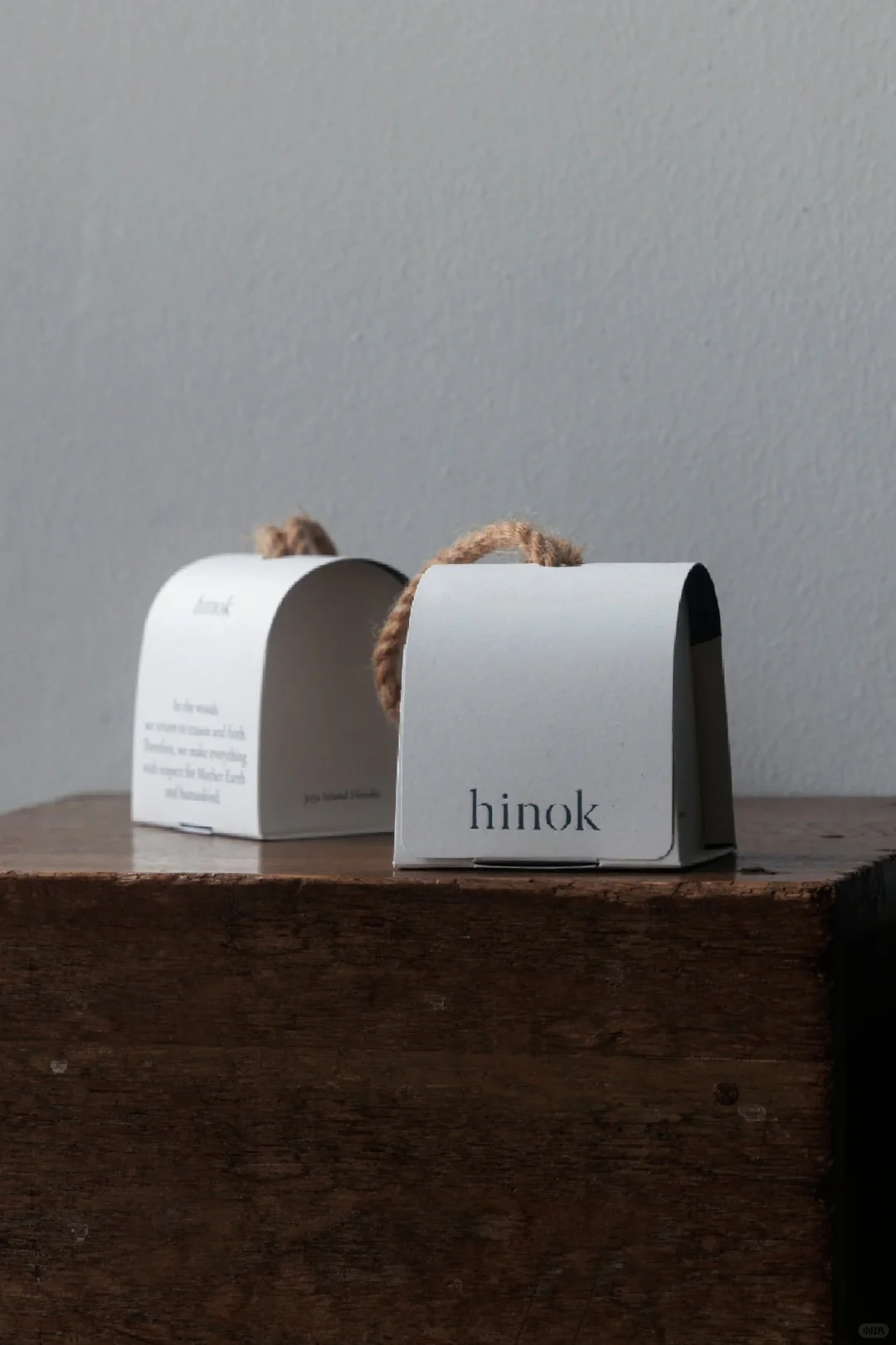

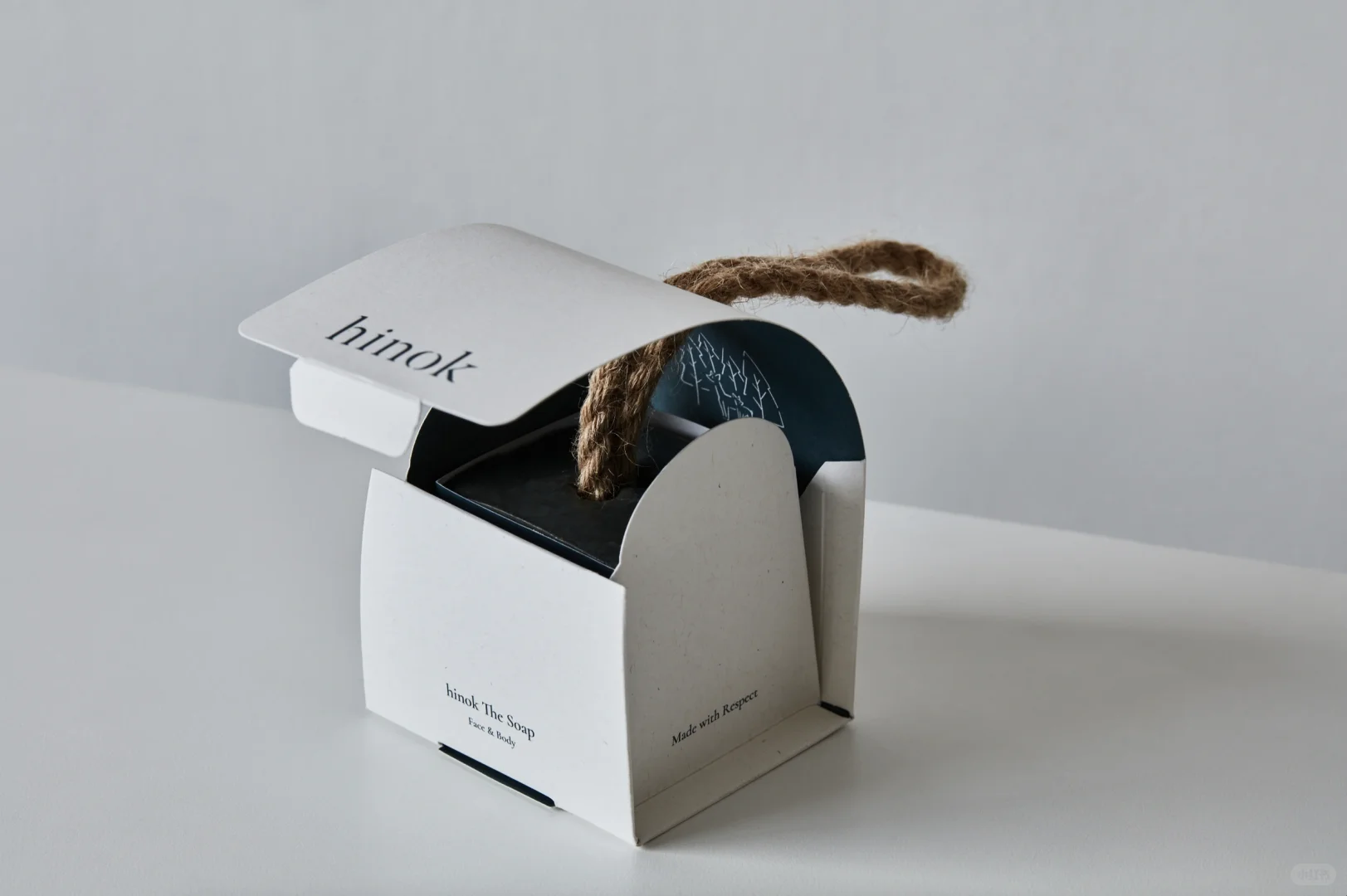
5. Use three prototypes, each with one job
- Structural white sample: use inexpensive material to check volume, opening, loading and removal before finishing decisions harden.
- Material sample: move to production-like thickness and surfaces to examine friction, odour, rebound, load and closure.
- Distribution sample: pack the real product in its real shipping case, run the agreed transport trial, then open it and record movement, damage and cosmetic change.
Each round needs a traceable record: sample number, material, dimension set, assembly time, failure photographs and the exact change required in the next version. “Make it slightly looser” is not a production instruction. “Add 0.8 millimetres of lateral clearance while retaining the cap restraint” is.
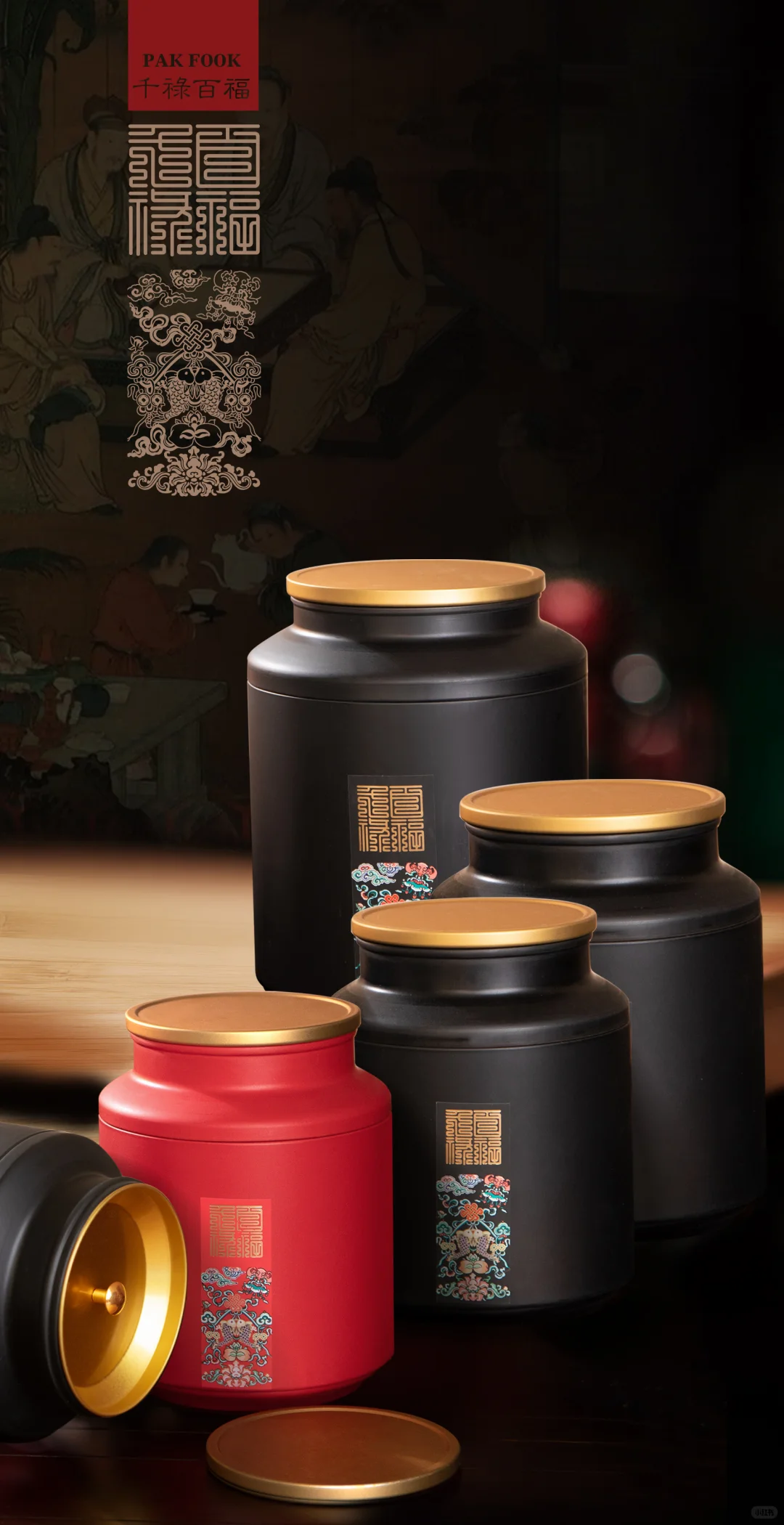

6. For a small run, remove one mould and add one test
For small production runs, the same questions come up repeatedly: customisation, tooling cost, lead time and proof before scale. For an emerging brand, the most rational first package may use an existing box or can form, with distinction coming from a sleeve, label, paper wrap, insert geometry or grouping strategy.
That does not eliminate prototype work. “Same nominal size” does not guarantee the same tolerance, and “the product goes in” does not mean it will survive shipping. Test the real product in the real stock component before committing to decoration. If sales and repeat behaviour are not yet known, custom tooling can lock the brand into a dimension and supplier too early.

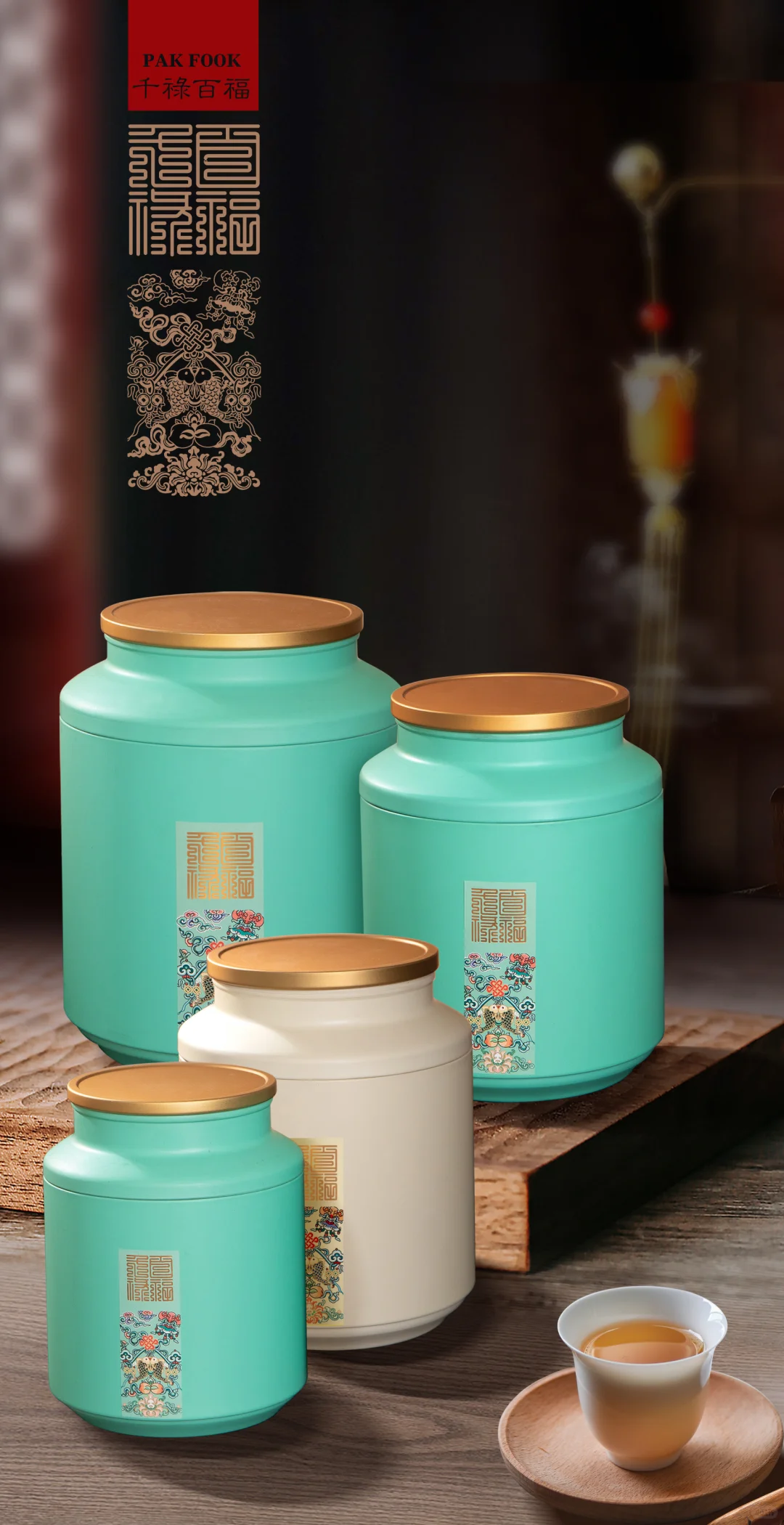
7. Build a tolerance budget, not one perfect cavity
A cavity is not a single dimension. It is a negotiated fit window that must absorb variation from four places: the product, the insert-making process, the packing operation and the environment. If the product is at its largest while the cavity is at its smallest, the pack must still load without damage. If the reverse occurs, restraint must still work.
PRODUCT VARIATIONINSERT VARIATIONASSEMBLY VARIATIONENVIRONMENTAL CHANGEVIABLE FIT WINDOWloads without force · stays restrainedcloses fully · removes cleanlyDo not spend the same clearance twice: assign every source of variation an owner.
PandaPackage diagram. The fit window must absorb variation from the product, insert, assembly process and environment—not just the nominal CAD dimensions.
Assign an owner to each source of variation. The product team owns the measured product envelope; the converter owns insert dimensions and material rebound; operations owns loading angle and assembly force; the test plan owns humidity, temperature and distribution exposure. Without owners, every participant quietly assumes another part of the system will absorb the variation.
| Failure | Likely cause | Sample that should catch it | Record to keep |
|---|---|---|---|
| Lid will not close | Stack-up of product height, insert thickness and compression | Production-like material sample | Closed-pack height and closure force |
| Product rattles | Cavity too large at the loose end of tolerance | Distribution sample | Before-and-after position and damage images |
| Surface scuffs | Contact pressure, dust or relative movement | Material and distribution samples | Contact map and cosmetic acceptance limit |
| Assembly slows | Loading angle or interference is too sensitive | White sample with line operators | Cycle time, error count and observed workaround |
| Fit changes after storage | Humidity, temperature or material recovery | Conditioned production-like sample | Condition, duration and dimensional change |
This failure-mode review turns vague feedback into a development record. Each failure is tied to the sample round that should reveal it, a measurable observation and the person who can change the cause. The purpose is not to predict every failure; it is to stop the same one from being rediscovered after artwork and tooling are locked.
8. A supplier brief that can be built
- Supply the physical product, maximum envelope, weight, fragile features and no-load zones.
- Describe the route: parcel shipment, master case, cold chain, retail shelf, gift presentation or some combination.
- State first-run quantity, expected production quantity, available tooling budget and required lead time.
- Rank the insert jobs: protection, restraint, presentation, removal, assembly and recovery.
- Identify any component that touches food or skin, together with the required evidence and intended conditions of use.
- List allowed and prohibited materials, finishes, odours and colour tolerances.
- Define prototype rounds, the pass criteria for each and the distribution test method.
- Agree production tolerances, inspection sampling, assembly-time target and treatment of nonconforming parts.
Common mistakes first-time packaging teams should avoid
Do not approve a tray from a rendering. Do not size the cavity from a single product sample. Do not treat decorative fill as a restraint. Do not request “a little tighter” without a measurable clearance change. Do not test the presentation box without its shipping case. And do not lock artwork until the structural sample closes, stacks and survives the agreed route.
Need a prototype brief a supplier can quote?
Send PandaPackage the physical product, maximum dimensions, weight, fragile zones, shipping route, first-run quantity, insert priorities, allowed materials and pass criteria. We can separate the white sample, production-like sample and tooling quote so each commitment is visible before production.
FAQ: Packaging inserts and prototypes
What is the best insert material?
There is no universal best. Choose by the ranked jobs, product geometry, route, assembly method, volume and recovery plan.
How much clearance should an insert have?
It depends on product tolerance, insert rebound, surface protection and assembly direction. Establish it through measured samples, not a generic number.
Can decorative paper fill protect a fragile product?
It can reduce some surface contact, but it usually does not restrain movement predictably. Use a designed support when breakage matters.
When is custom tooling justified?
When the product geometry and order volume are stable, and when the functional benefit is clear enough to justify cost, lead time and supplier dependence.
What should the first prototype prove?
Only the basic structure: the product goes in, comes out, stays restrained and allows the package to close. Finishes can wait.
