
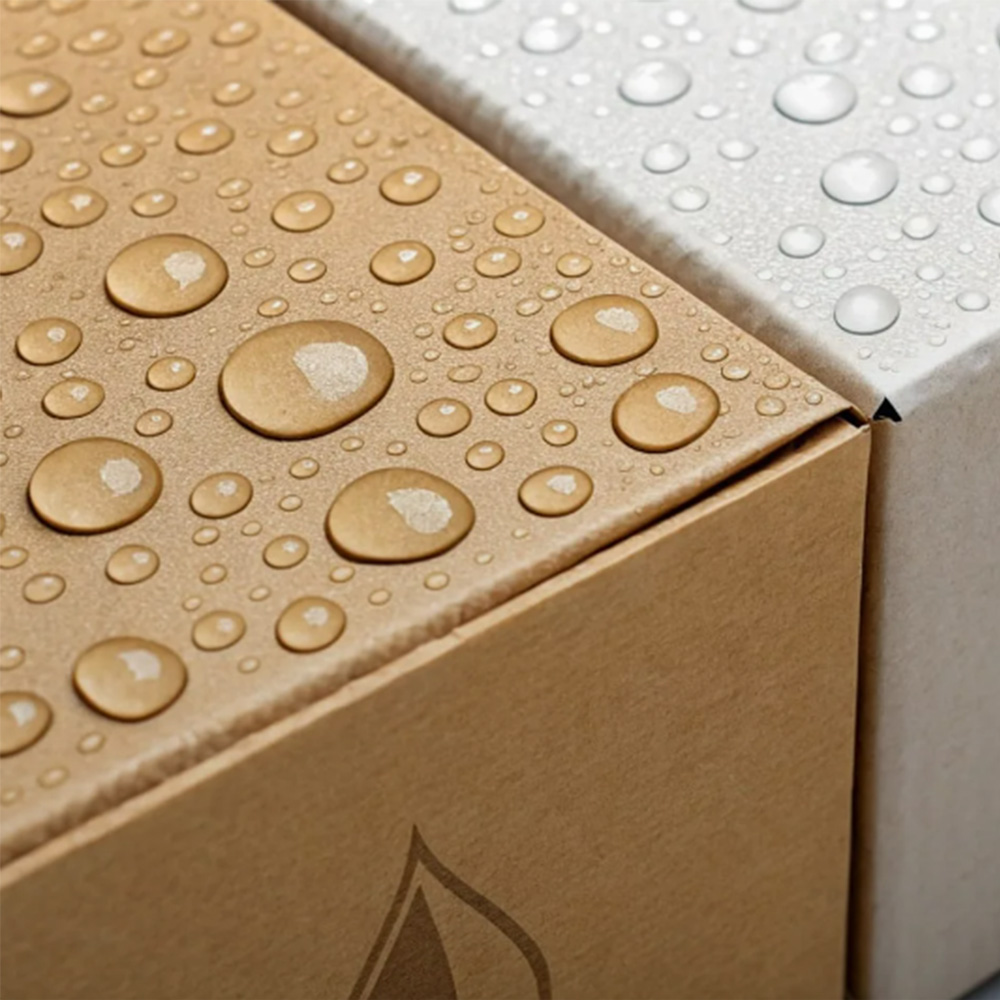
A barrier coating is a functional layer applied to the surface of packaging materials—such as paper, paperboard, plastics, or films—to block the transmission of gases, water vapor, oils, aromas, and other external substances. Barrier coatings play a vital role in food packaging, pharmaceutical protection, and various industrial applications. With the growing demand for sustainability, barrier coatings have become an essential technology for enhancing the performance of paper-based packaging and reducing reliance on conventional plastics.
One of the primary functions of barrier coatings is to reduce the permeability of oxygen and water vapor. Oxygen can accelerate oxidation and spoilage, while moisture can negatively affect the texture and stability of food. By applying barrier coatings, packaging materials can significantly improve their protective abilities and extend the shelf life of products.
For oily foods, barrier coatings prevent grease from penetrating the packaging, helping maintain structural strength and visual cleanliness. They also help retain desirable aromas within the package and block unwanted odors from the environment, contributing to better flavor preservation.
Modern barrier coatings increasingly use eco-friendly materials such as water-based formulas and bio-based polymers. These coatings improve packaging functionality while supporting environmental goals. For instance, many paper cups, takeout containers, and bakery packages now incorporate biodegradable barrier coatings to replace traditional PE coatings, thus reducing plastic waste.
In summary, barrier coatings are a crucial technology bridging packaging performance, food preservation, and sustainability. They enhance material functionality while helping the packaging industry move toward a more environmentally responsible future.